Buy 633.eu ?
We are moving the project
633.eu .
Are you interested in purchasing the domain
633.eu ?
domain@kv-gmbh.de · 0541-91531010
Buy 633.eu ?
What is an electronics technician for energy and building technology?
An electronics technician for energy and building technology is a professional who specializes in installing, maintaining, and repairing electrical and electronic systems in buildings and energy facilities. They are responsible for ensuring that electrical systems are functioning properly, and they may work on a variety of systems including lighting, heating, ventilation, air conditioning, and renewable energy systems. These technicians are trained to troubleshoot and diagnose electrical problems, and they may also be involved in the design and implementation of energy-efficient systems. Overall, their role is crucial in ensuring the safety, efficiency, and functionality of electrical and electronic systems in buildings and energy facilities. **
What is an electronics master for energy and building technology?
An electronics master for energy and building technology is a professional who specializes in designing, installing, and maintaining electronic systems that optimize energy efficiency and control various building functions. They are experts in integrating technologies such as lighting, heating, ventilation, and air conditioning systems to create smart and sustainable buildings. These professionals play a crucial role in ensuring that buildings are energy-efficient, environmentally friendly, and equipped with advanced automation systems for optimal performance. **

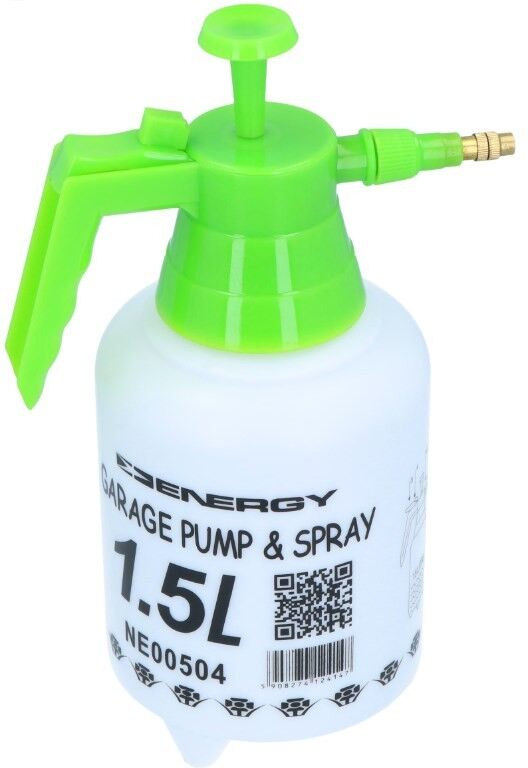
Similar search terms for ENERGY-NE01015-Oil-Can
Top-Angebote
Products related to ENERGY-NE01015-Oil-Can:

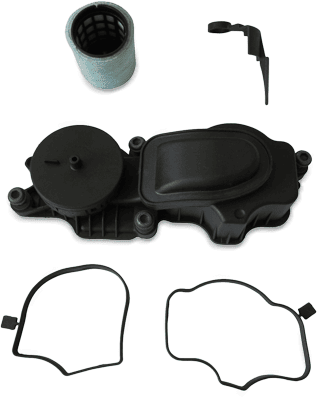


-
Can you draw an energy flow diagram for heating oil?
An energy flow diagram for heating oil would typically show the energy inputs required to extract, refine, and transport the oil to the end user. It would also include the energy used in the combustion process to generate heat for heating purposes. The diagram would illustrate the various stages of energy transformation and the losses incurred at each step, highlighting the overall efficiency of using heating oil as an energy source. Additionally, it would show the environmental impacts associated with the extraction, processing, and combustion of heating oil. **
-
What is better: Industrial electronics technician or electronics technician for energy and building technology?
The choice between an industrial electronics technician and an electronics technician for energy and building technology depends on your career goals and interests. An industrial electronics technician typically works with manufacturing equipment and machinery, while an electronics technician for energy and building technology focuses on electrical systems in buildings and energy infrastructure. If you are interested in working with manufacturing processes and machinery, then industrial electronics technician may be a better fit. However, if you are passionate about sustainable energy and building technology, then electronics technician for energy and building technology may be the better option for you. **
-
How can an electronics technician for energy and building technology provide for his family?
An electronics technician for energy and building technology can provide for his family by securing a stable job in the industry, either through employment with a company or by starting his own business. By staying updated with the latest technologies and certifications, he can increase his earning potential and job security. Additionally, he can offer specialized services such as energy efficiency audits, smart home installations, and renewable energy system maintenance to attract more clients and generate higher income. Finally, he can also invest in further education and training to expand his skill set and career opportunities. **
-
'In crude oil, stored solar energy is contained.'
In crude oil, stored solar energy is contained in the form of organic matter that has been transformed over millions of years through geological processes. This organic matter, such as ancient plants and animals, absorbed sunlight through photosynthesis and stored this energy in their chemical bonds. When crude oil is extracted and refined, this stored solar energy is released in the form of various fuels like gasoline, diesel, and jet fuel, which can be used to power vehicles, generate electricity, and heat homes. Therefore, crude oil can be seen as a reservoir of ancient solar energy that is being utilized in modern society. **


What is better: Electronics technician for industrial engineering or electronics technician for energy and building technology?
The choice between being an electronics technician for industrial engineering or energy and building technology depends on your interests and career goals. If you enjoy working with complex machinery and systems in manufacturing environments, then industrial engineering may be a better fit for you. On the other hand, if you are passionate about sustainable energy solutions and building technology, then energy and building technology could be more fulfilling. Consider your strengths, interests, and long-term career aspirations to make the best decision for yourself. **
What does the energy regulation say for oil furnaces?
Energy regulations for oil furnaces vary depending on the region, but generally, they focus on improving energy efficiency and reducing emissions. These regulations may include minimum efficiency standards for new oil furnaces, requirements for regular maintenance and inspections, and guidelines for proper installation. Some regions may also offer incentives or rebates for upgrading to more energy-efficient oil furnaces or switching to alternative heating sources. It is important for oil furnace owners to stay informed about local energy regulations to ensure compliance and maximize energy savings. **
Top-Angebote
Products related to ENERGY-NE01015-Oil-Can:
-
What is an electronics technician for energy and building technology?
An electronics technician for energy and building technology is a professional who specializes in installing, maintaining, and repairing electrical and electronic systems in buildings and energy facilities. They are responsible for ensuring that electrical systems are functioning properly, and they may work on a variety of systems including lighting, heating, ventilation, air conditioning, and renewable energy systems. These technicians are trained to troubleshoot and diagnose electrical problems, and they may also be involved in the design and implementation of energy-efficient systems. Overall, their role is crucial in ensuring the safety, efficiency, and functionality of electrical and electronic systems in buildings and energy facilities. **
-
What is an electronics master for energy and building technology?
An electronics master for energy and building technology is a professional who specializes in designing, installing, and maintaining electronic systems that optimize energy efficiency and control various building functions. They are experts in integrating technologies such as lighting, heating, ventilation, and air conditioning systems to create smart and sustainable buildings. These professionals play a crucial role in ensuring that buildings are energy-efficient, environmentally friendly, and equipped with advanced automation systems for optimal performance. **
-
Can you draw an energy flow diagram for heating oil?
An energy flow diagram for heating oil would typically show the energy inputs required to extract, refine, and transport the oil to the end user. It would also include the energy used in the combustion process to generate heat for heating purposes. The diagram would illustrate the various stages of energy transformation and the losses incurred at each step, highlighting the overall efficiency of using heating oil as an energy source. Additionally, it would show the environmental impacts associated with the extraction, processing, and combustion of heating oil. **
-
What is better: Industrial electronics technician or electronics technician for energy and building technology?
The choice between an industrial electronics technician and an electronics technician for energy and building technology depends on your career goals and interests. An industrial electronics technician typically works with manufacturing equipment and machinery, while an electronics technician for energy and building technology focuses on electrical systems in buildings and energy infrastructure. If you are interested in working with manufacturing processes and machinery, then industrial electronics technician may be a better fit. However, if you are passionate about sustainable energy and building technology, then electronics technician for energy and building technology may be the better option for you. **
Similar search terms for ENERGY-NE01015-Oil-Can
-
ENERGY NE00311 Oil filter removal toolNumber of tools: 23; Tools: with ratchet function; Drive [inch]: 1/2; Spanner Size: 27 mm, 65mm/14pt, 67mm/14pt, 74mm/14pt (x2), 75mm/15pt, 74mm/8pt, 74mm/15pt (x2), 73mm/14pt, 75mm/12pt, 79mm/15pt, 73mm/15pt, 84mm/18pt, 89mm/15pt, 91mm/15pt, 90mm/15pt, 95mm/15pt, 76mm/12pt, 80mm/15pt, 101mm/15pt, 92mm/15pt; Packaging: Plastic Case37,99 £*Shipping: 8,45 £Secure redirect to the provider
-
Yeego 60-Can Direct-Cool Beverage Cooler, Energy-Efficient Mini FridgeThe Yeego Beverage Refrigerator brings a refined balance of form and function, offering a sleek, compact design that fits effortlessly into kitchens, home bars, or entertainment spaces.212,99 $*Shipping: 0,00 $Secure redirect to the provider
-
How can an electronics technician for energy and building technology provide for his family?
An electronics technician for energy and building technology can provide for his family by securing a stable job in the industry, either through employment with a company or by starting his own business. By staying updated with the latest technologies and certifications, he can increase his earning potential and job security. Additionally, he can offer specialized services such as energy efficiency audits, smart home installations, and renewable energy system maintenance to attract more clients and generate higher income. Finally, he can also invest in further education and training to expand his skill set and career opportunities. **
-
'In crude oil, stored solar energy is contained.'
In crude oil, stored solar energy is contained in the form of organic matter that has been transformed over millions of years through geological processes. This organic matter, such as ancient plants and animals, absorbed sunlight through photosynthesis and stored this energy in their chemical bonds. When crude oil is extracted and refined, this stored solar energy is released in the form of various fuels like gasoline, diesel, and jet fuel, which can be used to power vehicles, generate electricity, and heat homes. Therefore, crude oil can be seen as a reservoir of ancient solar energy that is being utilized in modern society. **
-
What is better: Electronics technician for industrial engineering or electronics technician for energy and building technology?
The choice between being an electronics technician for industrial engineering or energy and building technology depends on your interests and career goals. If you enjoy working with complex machinery and systems in manufacturing environments, then industrial engineering may be a better fit for you. On the other hand, if you are passionate about sustainable energy solutions and building technology, then energy and building technology could be more fulfilling. Consider your strengths, interests, and long-term career aspirations to make the best decision for yourself. **
-
What does the energy regulation say for oil furnaces?
Energy regulations for oil furnaces vary depending on the region, but generally, they focus on improving energy efficiency and reducing emissions. These regulations may include minimum efficiency standards for new oil furnaces, requirements for regular maintenance and inspections, and guidelines for proper installation. Some regions may also offer incentives or rebates for upgrading to more energy-efficient oil furnaces or switching to alternative heating sources. It is important for oil furnace owners to stay informed about local energy regulations to ensure compliance and maximize energy savings. **
* All prices are inclusive of VAT and, if applicable, plus shipping costs. The offer information is based on the details provided by the respective shop and is updated through automated processes. Real-time updates do not occur, so deviations can occur in individual cases. ** Note: Parts of this content were created by AI.